Why NFPA 96 Compliance Should Be on Every Restaurant Owner's Radar
@nfpa96compliancelab
I have spent more than a decade working alongside kitchen exhaust cleaning crews, fire marshals, and restaurant owners. One thing I have learned is that a clean kitchen exhaust system is not just about passing an inspection. It is about protecting lives, property, and your business’s future. The standard that governs all of this is NFPA 96, and understanding what NFPA 96 compliance really means can save you from a devastating fire and a heap of legal trouble.
The Bare Metal Standard Explained
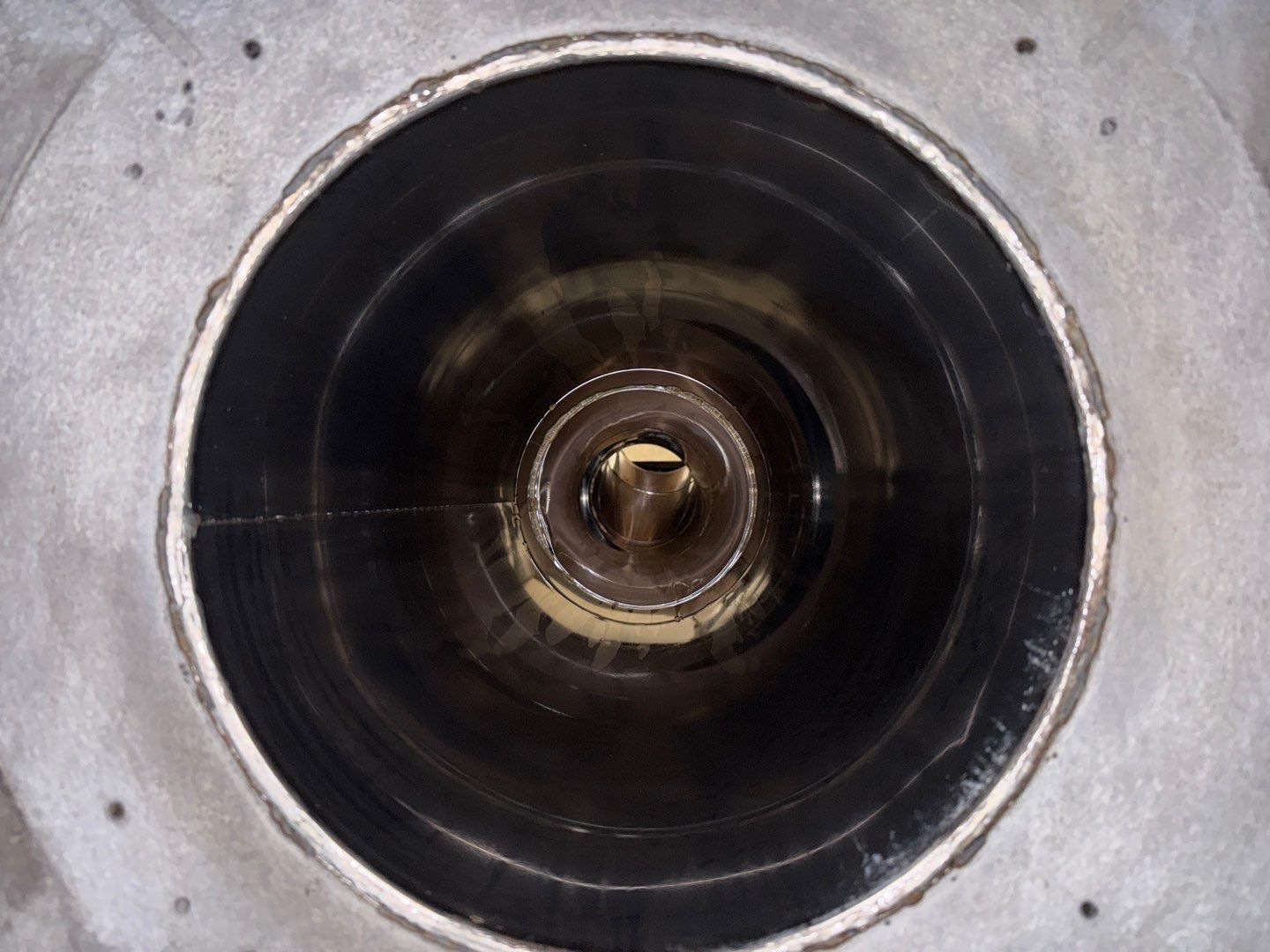
NFPA 96 is the fire code that sets the rules for commercial kitchen exhaust systems. It covers everything from the design of the hood and ductwork to the frequency of cleaning and the training of the people doing the work. At its core is what many in the industry call the Bare Metal Standard. That phrase means exactly what it sounds like: after a proper cleaning, every interior surface of the exhaust system should be stripped down to bare metal, with zero grease build-up left behind. No streaks, no residue, no hidden pockets of grease.
I have seen kitchens where the hood filters looked clean from the outside, but once the crew removed them and looked inside the ductwork, the grease was an inch thick. That is a serious fire hazard. The Bare Metal Standard is not just a marketing slogan. It is a measurable, verifiable condition that certified exhaust cleaners are trained to achieve. When you hire a crew that understands this standard, you are investing in real kitchen fire safety.
How Grease Build-Up Leads to Disaster
Grease is highly flammable. In a commercial kitchen, grease-laden vapors rise from cooking surfaces, pass through hood filters, and then travel through the exhaust ductwork. Over time, that vapor condenses into a sticky, combustible layer on the inside of the ducts. Even a small spark from an exhaust fan motor or a hot cooking line can ignite that grease. Once it catches, the fire can spread rapidly through the entire system, often before the fire suppression system or the Ansul system can react.

I have talked to fire investigators who told me that the majority of kitchen fires they see start in the exhaust system. And nearly all of those fires could have been prevented with regular, thorough cleaning that meets NFPA 96 compliance. The standard exists because the fire code experts at the National Fire Protection Association have seen too many of these fires and worked to create a baseline for safety.
More Than Just a Pass on the Inspection
Many restaurant owners treat hood cleaning as a chore they do only to pass an NFPA 96 inspection. They hire the cheapest crew they can find, get a sticker on the wall, and call it done. But that approach misses the point. True NFPA 96 compliance is about facility compliance in a deeper sense. It means your entire exhaust system is maintained to a standard that keeps your staff, your customers, and your building safe every single day, not just on inspection day.
I have seen kitchens pass inspection because the visible parts of the hood looked clean, but the ductwork was still full of grease. That is a failure of the system. A good inspector will check the ductwork, the exhaust fans, and the fire suppression system connections. If your crew only does a surface clean, you are not truly compliant. You are just checking a box.
Insurance Requirements and Financial Protection
Another reason to take NFPA 96 compliance seriously is insurance. Most commercial property insurance policies require that you maintain your kitchen exhaust system according to the local fire code. If you have a fire and the insurance adjuster finds that you neglected cleaning, they can deny your claim. I have seen that happen to a small diner owner who thought he was saving money by skipping a few cleanings. The fire destroyed his kitchen, and the insurance company refused to pay because his records showed he had not had a certified exhaust cleaner service the system in over a year.
The cost of a proper cleaning is nothing compared to the cost of rebuilding a kitchen or defending a lawsuit. Plus, some insurers offer lower premiums for restaurants that can demonstrate consistent NFPA 96 compliance. So it is not just an expense. It is a smart investment in fire risk reduction and financial protection.
What a Proper Cleaning Looks Like
When a certified exhaust cleaner shows up, they do not just spray degreaser on the hood filters and call it good. They bring the right tools and chemicals to get inside every part of the system. They remove the hood filters and clean them separately. They access the ductwork through access panels and scrub every inch of the interior until it meets the Bare Metal Standard. They check the exhaust fans to make sure the blades, housing, and motor compartment are free of grease. They also inspect the fire suppression system, often an Ansul system or one that complies with UL 300, to ensure the nozzles are not blocked and the system is ready to discharge if needed.
I have worked with crews from Kitchen Safety Solutions, a company that takes this standard seriously. They document every cleaning with before and after photos, and they provide a report that shows exactly what was done. That kind of documentation is invaluable during an NFPA 96 inspection or when dealing with insurance requirements. It proves that you are not just paying for a service. You are paying for real, verifiable safety.
Choosing the Right Exhaust Cleaning Partner
Not every hood cleaning company is created equal. Some are just guys with a pressure washer and a bucket of degreaser. They might charge less, but they often cut corners. To ensure you are getting true NFPA 96 compliance, you need to hire a certified exhaust cleaner who is trained and experienced with commercial kitchen exhaust systems. Look for someone who can show you their credentials and explain their process. Ask them how they handle ductwork that is hard to reach, or how they clean around the exhaust fan bearings without damaging the motor.
A good cleaner will also help you schedule the right cleaning frequency. NFPA 96 recommends cleaning intervals based on the volume of cooking and the type of food being prepared. A high-volume fast food restaurant that cooks a lot of grease-heavy items may need cleaning every month. A lower-volume cafe might be fine with quarterly cleaning. Your cleaner should assess your operation and set a schedule that keeps you compliant without overcharging you.
The Role of Staff Training
Even the best cleaning schedule cannot replace daily vigilance. Your kitchen staff should know how to properly use the hood filters, how to check for grease accumulation, and how to report problems. I have seen kitchen crews who stack boxes of supplies right under the exhaust hood, blocking airflow. Or they let the hood filters get so clogged that the exhaust fan has to work twice as hard. Simple training on kitchen fire safety can prevent these issues. Some organizations, such as the Culinary Institute of America, incorporate fire safety into their curriculum because they understand that a well-trained chef is a safer chef.

Beyond the Code: A Culture of Safety
NFPA 96 compliance is not just a set of rules. It is a framework for building a culture of safety in your kitchen. When you commit to the Bare Metal Standard, you are telling your staff, your customers, and your insurer that you take fire risk reduction seriously. You are protecting jobs, livelihoods, and lives. I have seen kitchens that embrace this mindset and they run more smoothly because everyone understands the importance of keeping the exhaust system clean. The equipment lasts longer, the kitchen smells fresher, and the fire marshal leaves with a smile.
In the end, the cost of compliance is small compared to the cost of a fire. Investing in proper cleaning, hiring a certified exhaust cleaner, and staying on top of your cleaning schedule is one of the best decisions you can make for your restaurant. It is not just about passing an inspection. It is about running a responsible, safe business that can keep its doors open for years to come.